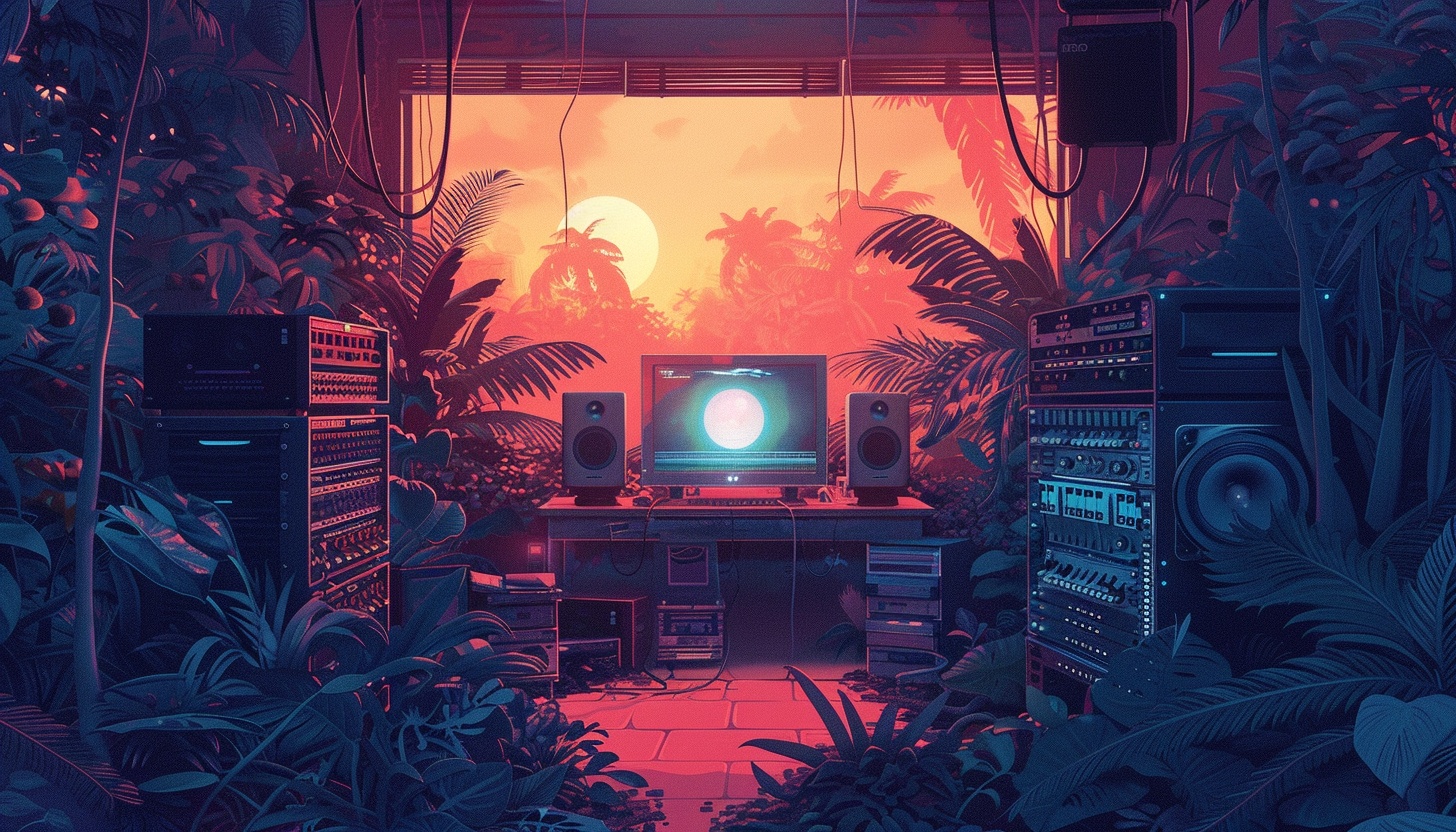
How to Build a Podcast Studio: Boost Your Podcast Setups
Creating a dedicated podcast studio setup is crucial for producing high-quality episodes. Why? The best podcast studios yield better sound and that’s the secret sauce to retaining listeners. It also makes them a lot more likely to come back for more. What do you need for a professional podcasting space? We’re covering everything you need to know to elevate your content and boost your podcast's success below. Let’s dive in!
Related: Learn how to start a podcast here!
Designing Your Podcasting Studio
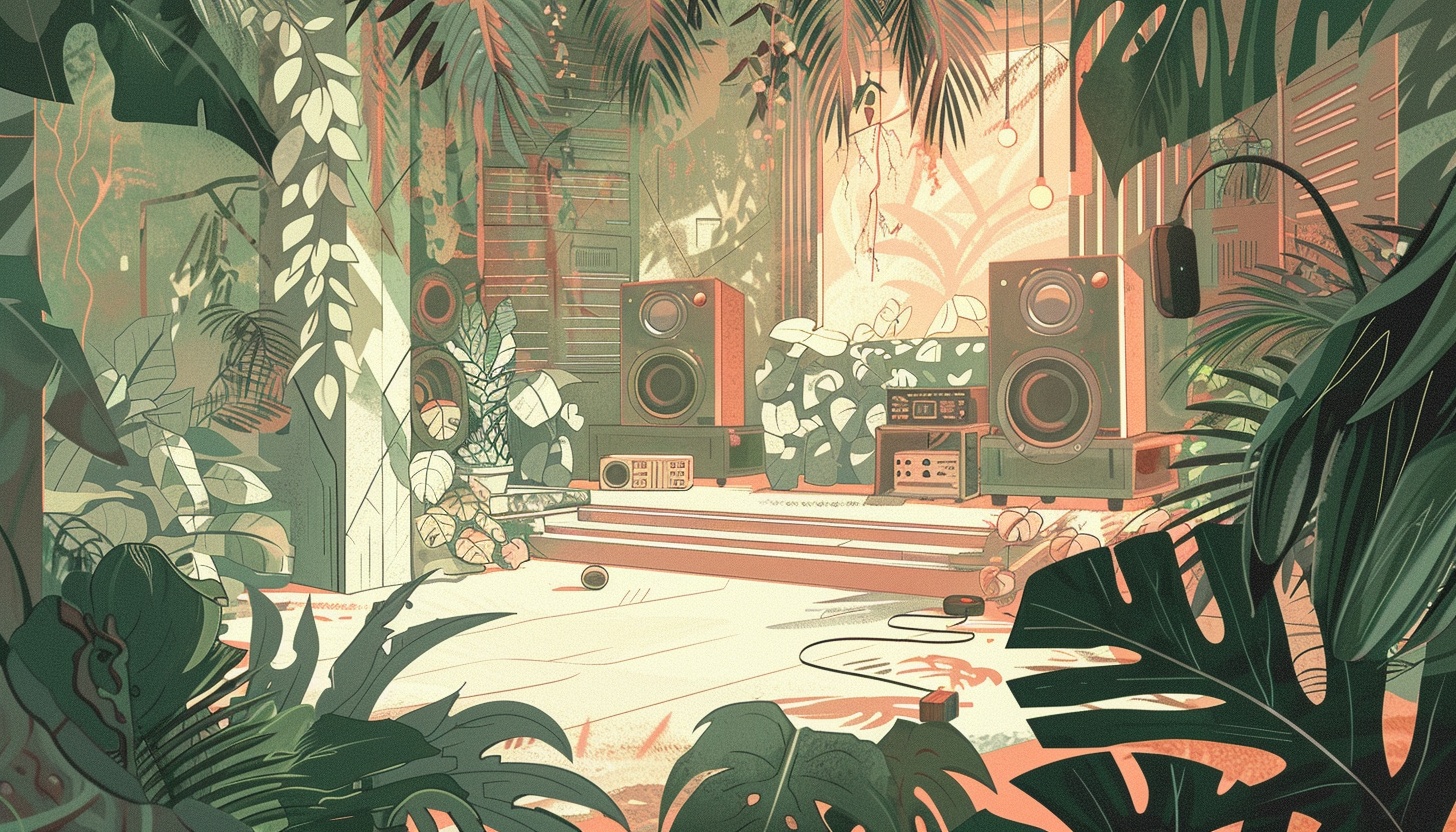
So you want an awesome podcast studio setup. That’s an excellent decision. Here’s what you need to consider:
- The room's size
- Noise reduction capabilities
- Lighting, and
- The camera you’re using
Now, you might be wondering why we mentioned lighting and a camera. The simple fact is more and more podcasters are opting to have a video component with their podcasts these days. And, if you ensure your lighting is good to go, you can complete multiple pieces of content with one recording session!
And, if you’re not creating a video from it, you will at least be more lit up when you’re interviewing folks remotely via webcam.
For optimal recording choose a smaller room with minimal hard surfaces
For example, a small room with carpeting and curtains can help reduce echo and improve sound quality. A larger room with hardwood floors on the other hand will be more likely to have echoes and other sound issues.
Opt for recording your podcast in a quiet location away from external noises while keeping your podcast setting comfortable. Arrange seating to allow for easy communication between hosts and guests. At the same time, you want to maintain a reasonable distance from microphones to avoid audio issues (i.e. feedback and high pitched squealing). Place microphones on sturdy stands or boom arms, ensuring they are at the appropriate height and angle for each speaker.
If recording remotely, make sure you have tested your webcam and internet connection prior to your session. And, pro tip - do a test run to make sure everything works correctly before you begin your interview. The last thing you want is to tell your guest that the audio didn’t record after an hour-long chat.
Essential Elements of a Podcasting Room
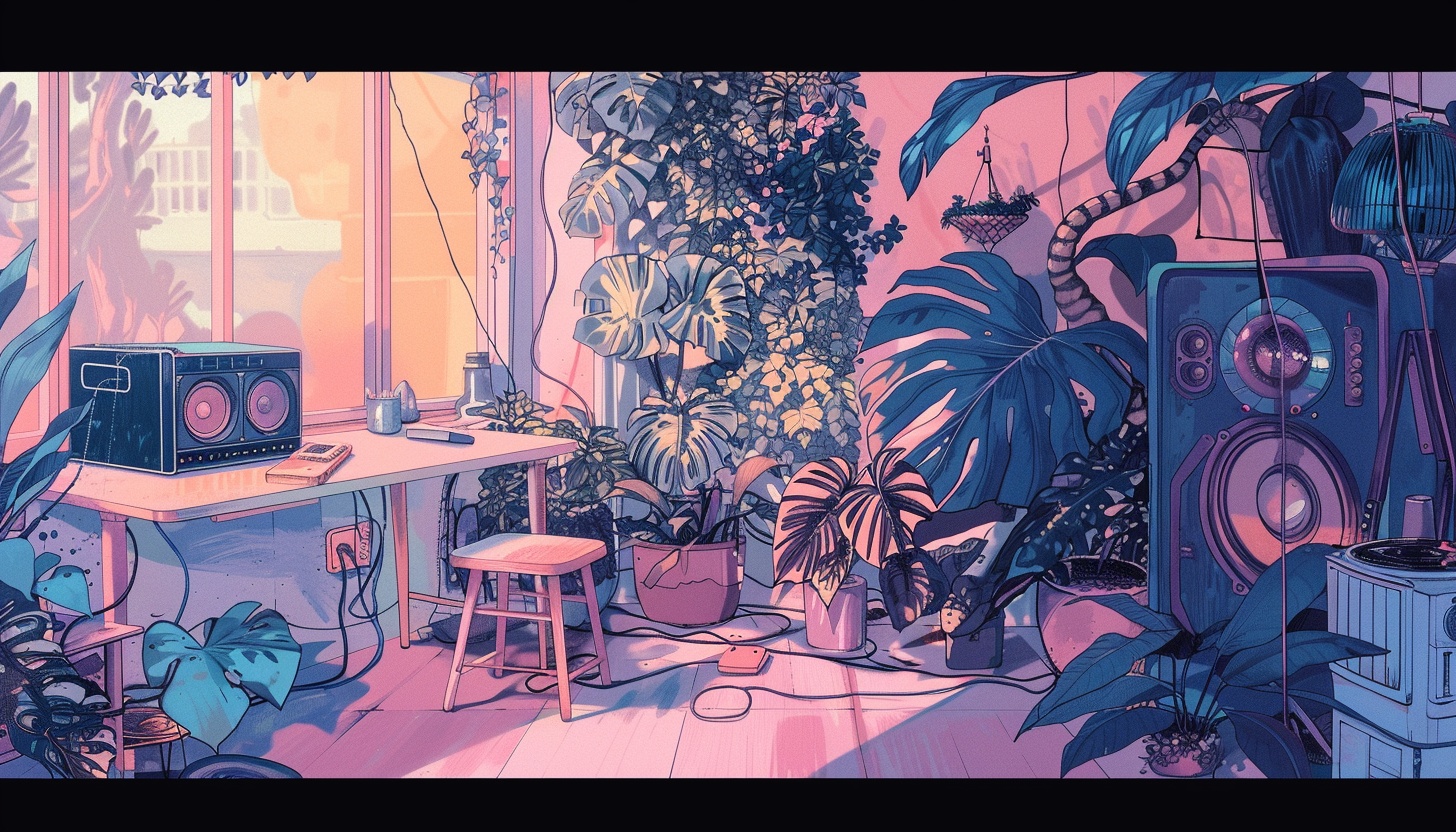
To create a basic podcast setup, you'll need the following materials and equipment:
1. Microphone(s) (USB or XLR) - nope! Not the one on your computer! Get a professional podcast microphone instead.
2. Headphones - preferably closed back ones
3. Audio interface or mixer - in a pinch you can opt not to use this and just stick with fixing audio after recording
4. Computer or laptop
5. Recording and editing software - free options like GarageBand and Audacity are great when starting out
6. Microphone stands and/or boom arms
7. Pop filters or windscreens
8. Acoustic treatments (i.e. sound proofing tiles - these are optional, but recommended)
Soundproofing is a great idea if you have the budget for it. The less noise in the room, the easier it is to achieve excellent audio quality in your podcast studio. By minimizing external noises and reducing room echo, you can ensure that your recordings are clear and professional-sounding.
You can use acoustic panels or bass traps. Some podcasters even opt for DIY solutions like hanging blankets to absorb sound and improve the overall audio quality.
Related: Read our post "Top 5 Podcast Content Creation Tools Every Podcaster Needs"
Setting Up Your Podcasting Studio
When setting up your recording equipment, start by connecting your microphone to your audio interface or mixer using the appropriate cables (USB or XLR). Ensure that your microphone is set to the correct gain level to avoid distortion or background noise. Next, connect your headphones to the audio interface or mixer to monitor your audio in real-time.
Choose recording and editing software that suits your needs and skill level.
Paid popular options include Adobe Audition and Alitu. Popular free options are Audacity, and GarageBand.
Whichever you choose - be sure to familiarize yourself with the software's features and settings ahead of time. Taking the time to learn how to use it will make for a smoother recording and editing processes.
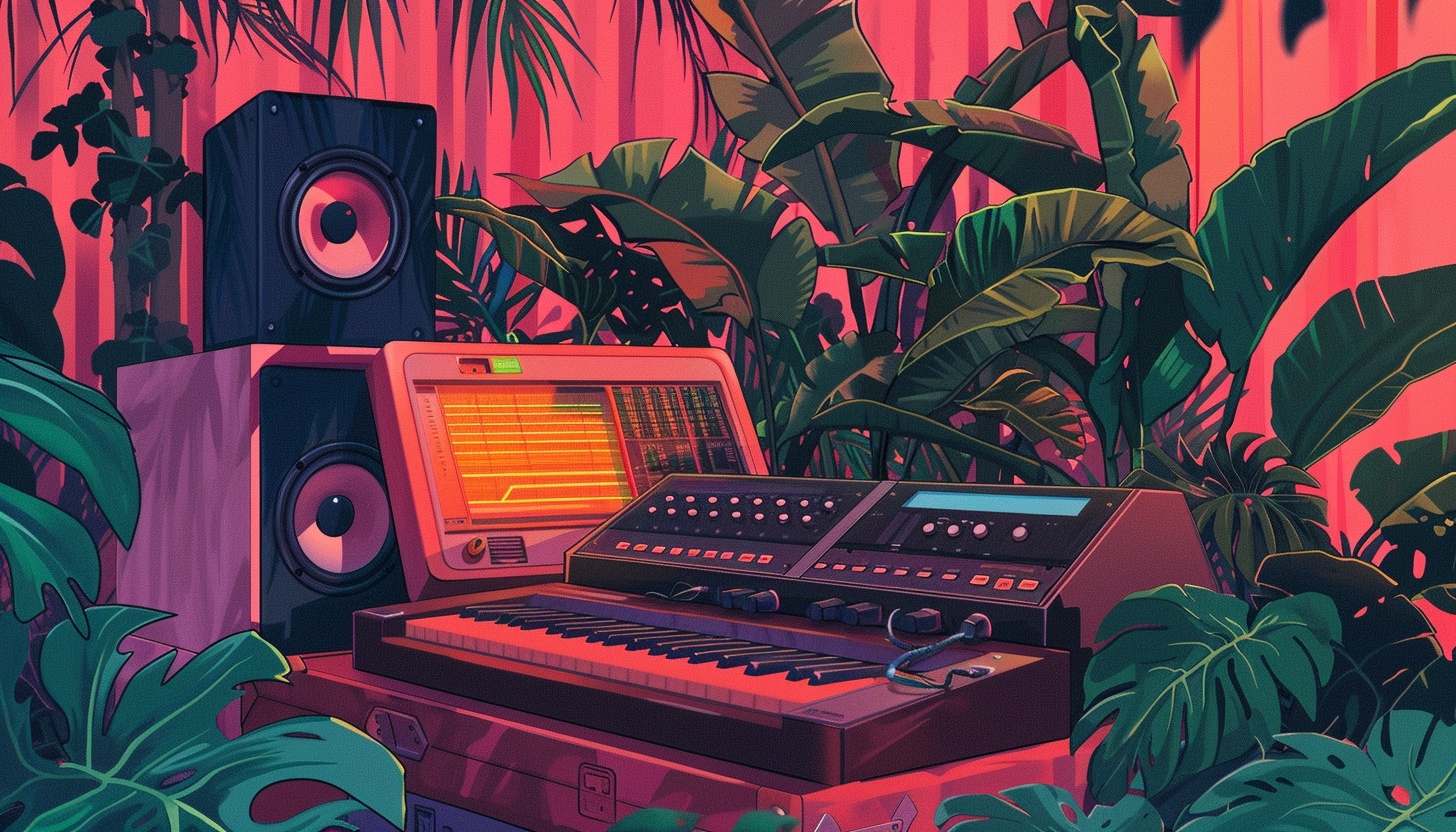
Best Practices for Podcast Equipment Usage
To get the most out of your podcasting tools, follow these insider tips and tricks:
1. Always use a pop filter or windscreen to minimize pop noises such as heavy P’s and B’s as well as breath sounds.
2. Maintain a consistent distance from the microphone to ensure even audio levels. Play with your microphone to determine the optimal distance from your mouth.
3. Use headphones to monitor your audio and avoid feedback or echo.
4. Record in a lossless audio format whenever possible (e.g., WAV). This typically yields better quality and flexibility in post-production.
To maintain and upgrade your podcast setup cost-effectively, invest in high-quality, durable equipment that will last long-term. Prioritize upgrades that will have the most significant impact on your audio quality, such as microphones and acoustic treatments.
Budget Breakdown - How Much Will a Podcast Studio Cost?
When setting up your podcast studio, it's essential to consider your budget and what you can achieve at different price points. Here are a few examples:
Beginner (under $500)
At this budget, you can invest in a quality USB microphone, basic headphones, and free podcast recording software like Audacity or GarageBand. This setup is suitable for solo podcasting or remote interviews.
Intermediate ($500-$1,500)
With a mid-range budget, you can upgrade to an XLR microphone, audio interface, and better headphones. You may also consider purchasing a microphone boom arm, pop filter, and basic acoustic treatments. This setup is ideal for podcasters looking to improve their audio quality and record in-person interviews.
Advanced ($1,500+)
At this budget, you can invest in high-end microphones, mixers, and audio interfaces, as well as professional-grade acoustic treatments and soundproofing. This setup is suitable for podcasters who require top-notch audio quality and plan to record multiple in-person guests simultaneously.
Acoustics 101
Understanding basic acoustic principles is crucial when designing your podcast studio. Sound waves can reflect off hard surfaces, creating echoes and reverberation that degrade audio quality. To minimize these issues, consider the following:
- Absorption: Use soft, porous materials like acoustic panels, blankets, or carpeting to absorb sound waves and reduce reflections.
- Diffusion: Incorporate uneven surfaces, such as bookshelves or diffuser panels, to scatter sound waves and prevent standing waves.
- Bass traps: Place bass traps in corners to absorb low-frequency sounds that can make your audio sound muddy or boomy.
Remote Recording Solutions
With the growing popularity of remote interviews and co-hosting, it's essential to have reliable tools for recording high-quality audio remotely. Some popular options include:
- Zoom: This video conferencing platform offers built-in recording capabilities and allows users to record separate audio tracks for each participant.
- Zencastr: This web-based platform is designed specifically for podcasters. It allows users to record high-quality audio remotely without relying on a stable internet connection.
- Google Meet: While you will need a G-suite paid plan for recording your Google Meet videos, this can be a good option if you’re already using Google products.
Related: Read our posts about Recording Apps for remote podcasts.
Cable Management Tips
Keeping your podcast studio organized and clutter-free is essential for a professional appearance and efficient workflow. To manage your cables and wires properly, consider the following tips:
- Use cable ties or Velcro straps to bundle cables together and keep them organized.
- Invest in cable management sleeves or raceways to conceal wires and create a cleaner look.
- Label your cables to easily identify their purpose and avoid confusion when setting up or troubleshooting your equipment.
Portable Podcast Studio Setup Options
For podcasters who need to record on the go or in different locations, a portable podcast studio setup is essential. Consider the following equipment:
- Compact microphones: Look for microphones that are small, lightweight, and durable, such as the Shure MV88+ or the Rode SmartLav+.
- Portable audio interfaces: Invest in a compact audio interface that can easily fit in your bag, like the Focusrite Scarlett Solo or the PreSonus AudioBox USB 96.
- Noise-reducing headphones: Choose headphones that offer excellent noise isolation, such as the Bose QuietComfort 35 II or the Sony WH-1000XM4, to minimize background noise when recording in various environments.
Maintenance and Troubleshooting
To ensure your podcasting equipment remains in top condition, we recommend the following maintenance tips:
- Clean your microphones regularly with a soft, dry cloth to remove dust and debris.
- Update your software, firmware, and drivers to ensure compatibility and optimal performance.
- Store your equipment properly in cases or bags when not in use to protect against damage.
Common troubleshooting tips for audio issues:
- Check your cables and connections to ensure they are properly plugged in and secure.
- Adjust your microphone gain and audio interface settings to eliminate background noise or distortion.
- Use a noise gate or noise reduction software to minimize unwanted sounds in your recordings.
Future-Proofing Your Setup
When investing in podcast studio equipment, consider gear that can grow with your podcast over time. This may include:
- Modular gear: Choose equipment that allows for easy expansion or customization, such as mixers with multiple input channels or microphones with interchangeable capsules.
- Expandable audio interfaces: Invest in an audio interface with additional input and output options, allowing you to add more microphones or instruments as your podcast evolves.
- Software with regular updates: Opt for recording and editing software that offers regular updates and improvements, ensuring compatibility with the latest operating systems and technologies.
By considering these factors and investing in equipment that can adapt to your changing needs, you'll be able to future-proof your podcast studio setup and avoid costly replacements down the line.
Enhancing Your Podcast Studio Over Time
As your podcast grows and your budget allows, gradually improve your studio setup to enhance the quality of your productions. Start by addressing any acoustic issues in your recording space, then upgrade your microphones and audio interface to achieve clearer, more professional-sounding audio.
When making upgrades, strike a balance between quality and cost-effectiveness. Invest in equipment that will provide noticeable improvements to your podcast without breaking the bank.
We hope this post inspires you to build the perfect podcast studio for your needs and budget.
And, if you need help with podcast show notes and/or creating promotional assets for your episodes, we hope you will consider using Castmagic. Castmagic is an all-in-one platform that helps podcasters streamline their content creation process by automatically transcribing episodes, generating show notes, and providing AI-powered tools to create engaging social media posts, blog articles, and other promotional content. Click here for a free trial!
More blogs like this

How to Use Legit Platforms to Make Money Online Easily
The internet has revolutionized how we earn money, creating unprecedented opportunities for anyone with a smartphone or laptop to generate extra cash or even build a full-time income stream.However, navigating the minefield of scams, unrealistic promises, and time-wasting schemes can feel overwhelming. That's why we've put together this comprehensive guide to help you identify trustworthy platforms and start earning money the right way.We'll also share some realistic expectations and proven strategies that actually work. Let's get into it so you can make money!
6 Best OpusClip Alternatives in 2026 (Free and Paid)
Looking for an OpusClip alternative? Here are the 6 best, sorted by the job you need done: clips plus full content from one upload, cheaper clipping, captions, or hands-on editing.
How to Use AI Podcast Show Notes to Grow Your Show
What should take 30 minutes somehow stretches into two hours as you struggle to capture the essence of your conversation, identify key timestamps, and craft something that will actually help people discover your show. Sound familiar? Here's the thing though, search engines can't listen to your audio content. They rely entirely on text to understand what your episodes are about.

Best Generative AI Platforms: Features That Set Them Apart (And Why Castmagic Leads for Content Creators)
In this guide, we're exploring what truly separates exceptional platforms from adequate ones, examining the features that matter most, and equipping you with the knowledge to use AI effectively for your specific needs. And if you're a content creator, podcaster, YouTuber, or marketer working with audio and video, you'll discover why Castmagic has emerged as the superior choice.
Guide to Creating a Podcast App: Features You Need
Whether you're targeting content creators looking for better monetization tools or audiences seeking personalized recommendations, the features you choose will make or break your app's success. In this quick and easy guide, we're diving deep into everything you need to know about creating a podcast app that stands out today. From must-have functionalities to advanced features that'll set you apart, we've got you covered!

Best AI Newsletter Generators to Create Emails
AI newsletter generators are software platforms that use artificial intelligence to automate and enhance every aspect of email newsletter creation. We're talking about tools that can draft compelling copy, design eye-catching layouts, personalize content for individual subscribers, and optimize send times. They can do all of this with minimal human intervention!
Top 7 Best Speech to Text Apps for Accurate Transcription
In this comprehensive guide, we'll walk you through the top seven apps that transcribe speech to text with remarkable precision. We'll explore what makes each dictation app stand out and how you can choose the perfect voice typing solution for your specific needs.

Best Instagram Caption Generator: Paid and Free AI Tools
AI caption generators can save you a boat load of time! With Instagram's algorithm shift deprioritizing hashtags in favor of keyword-rich captions, these tools for good Instagram captions have become essential for content creators, brands, and social media managers seeking discoverability. This guide covers the top free and paid Instagram caption generators and how to use them effectively to create captions that drive real results.
How to Clip a YouTube Video: Easy Guide for Snippets
Luckily, sometimes you don't need the whole ocean. You just need a single drop, a perfect moment, a snippet that captures exactly what you want to share. Whether it's a hilarious reaction from your favorite creator's livestream, an insightful tip buried in a hour-long tutorial, or a game-changing moment you want to share across your social media channels, learning how to clip a YouTube video is an essential skill for anyone creating or sharing content.