
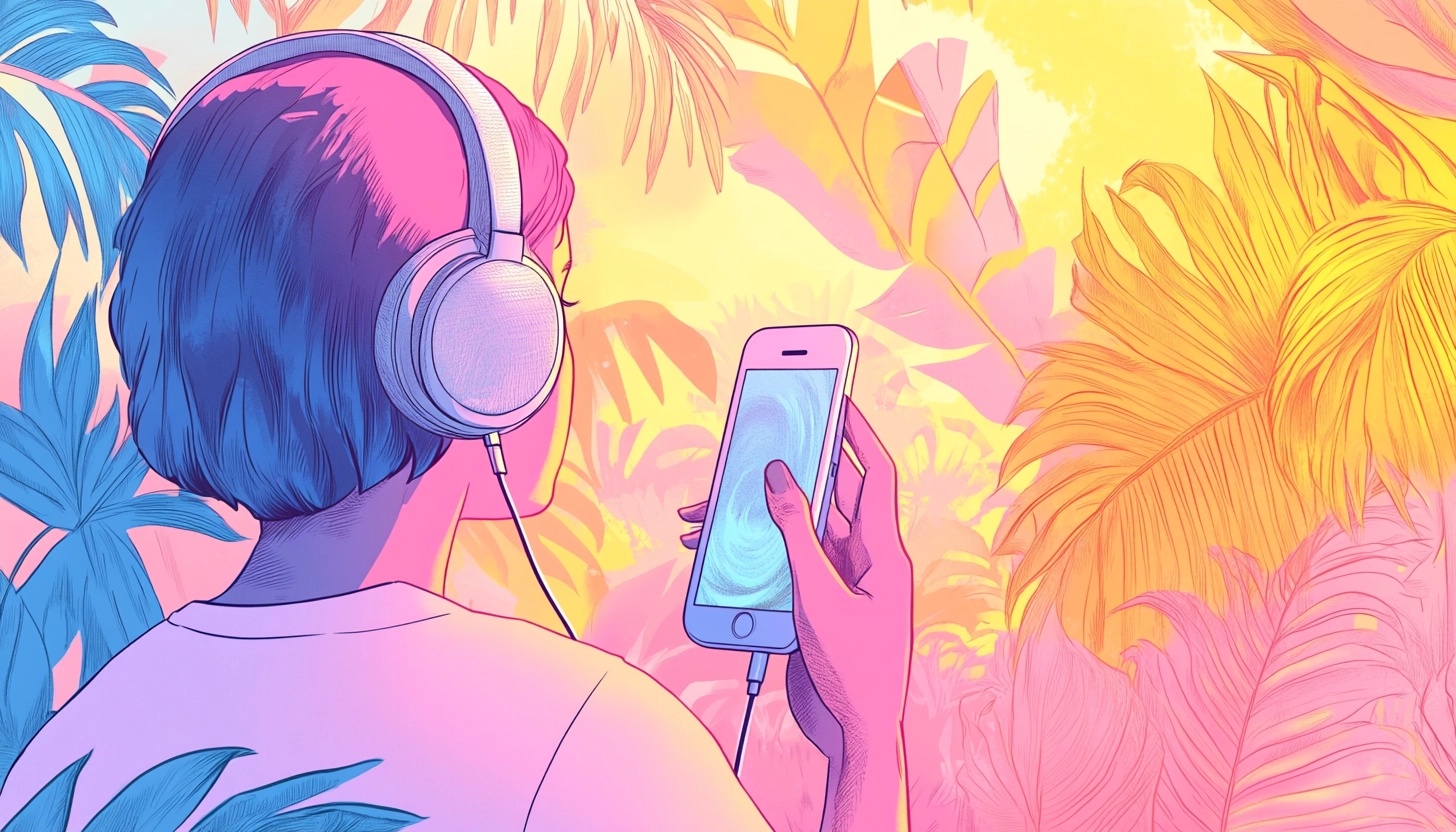
Mobile Podcast Starter Kit: The Portable Equipment You Need
One of the latest trends in audio is mobile podcasting. The days of being tethered to a studio are over! More creators are taking their shows on the road, capturing authentic conversations in the field, and bringing their audience along for the ride. Perhaps you’re considering doing the same.
A portable podcasting setup opens up endless possibilities for your show. Whether you're conducting interviews at events, recording roundtable discussions in various locations, or simply want the flexibility to record while traveling, having the right mobile equipment is essential. Below, we'll guide you through everything you need to know about building a portable podcasting kit that fits your needs and budget. Let's dive into the world of portable podcasting!
Portable Podcasting Requirements
Before we start filling your shopping cart, it's important to understand what makes equipment truly "portable." Size and weight are obvious factors. For example, you need gear that won't break your back when carried for extended periods.
But equally important is power capability. Does your podcast equipment require wall outlets, or can it run on batteries?
For true portability, battery-powered options give you the freedom to record anywhere, anytime.
We should also consider different levels of mobility for your mobile podcast studio. Here are some questions to consider:
– Are you simply moving between different indoor locations?
– Planning to record while traveling?
– Or conducting field recordings in unpredictable environments?
Each scenario demands different considerations for your portable podcasting setup.
Recording on the go presents unique challenges that studio podcasters don't face. Environmental noise, unreliable power sources, limited space, and setup time constraints can all impact your recording quality.
Setting realistic expectations is crucial. While today's portable equipment is impressive, there's often a trade-off between ultimate audio quality and portability.
We recommend you focus first on creating engaging content, and then find the right balance of equipment that allows you to capture it effectively without becoming overwhelming to transport and set up.
Essential Microphones for On-the-Go Recording
Okay, so you’ve decided to start mobile podcasting. What do you need to make this a reality? In a pinch, you could just use your phone to record with a DJI Mic, and then worry about editing later. But for folks looking to record at a higher quality level, let’s explore some of the equipment you might want to consider adding to your mobile podcasting go-bag.
Selecting the Right Portable Mics
The microphone is the heart of any podcasting setup, and for portable recording, you need options that combine quality with convenience. Dynamic microphones are often the preferred choice for mobile podcasters because they're more rugged and forgiving in less-than-ideal acoustic environments. Models like the ZDM-1 from Zoom offer a supercardioid pickup pattern that excels at reducing ambient noise – perfect for recording in bustling locations.
Wireless microphone systems represent another excellent option for portable setups. The RØDE Wireless ME and Wireless PRO allow you to capture separate audio channels without being tethered by cables – ideal for interviews on the move or in tight spaces. These systems can connect directly to smartphones, eliminating the need for additional recording devices.
USB microphones like the Blue Yeti or NT-USB Mini offer an excellent middle ground. They connect directly to your laptop without requiring an audio interface, making them perfect for the podcaster who needs to quickly set up in different indoor locations. The Blue Yeti even comes with a built-in stand, further reducing your equipment footprint.
When selecting microphones for your portable setup, consider not just sound quality but also durability features. Built-in shock mounts, like those found in the ZDM-1, can protect against handling noise and vibrations that are common when recording on the go. Some microphones even include humbucking circuits to shield against electromagnetic interference – a common issue in public spaces with lots of electronic equipment.
Managing Environmental Noise with Mobile Mics
Recording outside a controlled podcast studio environment means contending with unpredictable ambient sounds. Windscreens and pop filters become even more essential for outdoor recording, protecting against both wind noise and plosives (those harsh "p" and "b" sounds).
Microphone placement becomes critical in noisy environments. Positioning your mic closer to the speaker can help maximize the signal-to-noise ratio, capturing more of what you want and less of the background.
Before starting any recording session, we recommend doing a quick test recording to ensure your microphone is performing as expected in the current environment.
Supporting Your Setup: Portable Mic Stands and Mounts
A good portable mic stand strikes the perfect balance between stability and portability. Tabletop tripod stands like the Zoom TPS-4 are incredibly compact and can turn any flat surface into a recording station.
For a more flexible positioning, compact boom arms like the RØDE PSA1+ can be attached to tables or desks and provide precise microphone placement. The only drawback is these can take up a bit of space in your bag.
For true field recording, consider clamp mounts that can attach to various surfaces, eliminating the need for a dedicated stand altogether. These can be clamped to table edges, chairs, car dashboards, or even tree branches in a pinch!
When selecting stands for your portable podcasting setup, weight distribution and stability are crucial considerations. Nothing ruins a recording faster than a microphone toppling over mid-interview. Look for stands with weighted bases or those that can be secured to surfaces for added stability.
Storage and transport solutions for your stands matter too. Many portable stands fold down or collapse into incredibly compact forms. Consider how they'll fit in your carrying case and how quickly they can be deployed when you arrive at your recording location.
Monitoring Your Audio: Headphone Selection
When recording on the go, proper monitoring becomes even more critical than in a studio environment. Closed-back headphones are the unanimous choice for field recording because they provide isolation in two crucial ways: they prevent your monitoring audio from bleeding into the microphone, and they help you hear your recording clearly despite environmental noise.
Models like the Audio-Technica ATH-M20X, Beyerdynamic DT 770 Pro, and ZHP-1 offer excellent isolation at various price points. For maximum portability, look for headphones with foldable designs and carrying cases, which protect them during transport while minimizing the space they occupy in your bag.
If you're considering wireless headphones for monitoring, be aware of potential latency issues and battery life limitations. While convenient, wireless monitoring introduces additional points of failure in your setup. For critical recording situations, wired headphones remain the most reliable choice.
Capturing Quality Audio: Recorders vs. Audio Interfaces
Let’s talk about how to actually go about recording your mobile podcast. Because yes - even when recording a mobile podcast, audio quality still matters!
Portable Audio Recorders
Dedicated portable recorders like the Zoom PodTrak P4 or Zoom H6 Pro offer an all-in-one solution that's hard to beat for serious mobile podcasters. These devices combine microphone inputs, preamps, mixing capabilities, and recording functionality in a single unit that can operate on batteries.
The PodTrak P4 is particularly impressive for portable podcasting, offering four mic inputs, four headphone outputs with individual volume controls, sound pads for triggering intros or sound effects, and the ability to connect remote callers via phone. Running on just two AA batteries, it represents perhaps the most comprehensive portable podcasting solution available.
For ultimate portability in interview situations, the Zoom H1n provides an even smaller option with built-in microphones. This pocket-sized recorder is perfect for one-on-one interviews in the field when carrying minimal equipment is a priority.
Mobile Audio Interfaces
If you prefer to record directly to your smartphone or laptop, portable audio interfaces provide the link between your microphones and your device. USB interfaces like the Focusrite Scarlett series can connect professional XLR microphones to a laptop, while smartphone-compatible interfaces allow you to use high-quality mics with your mobile device.
The RØDECaster Duo and RØDECaster Pro II represent the high end of portable interfaces, offering comprehensive mixing capabilities while still being compact enough for travel. These can even run on USB power banks for true portability, making them suitable for professional-level remote recording.
Powering Your Portable Podcasting Setup
Power management is one of the biggest challenges in mobile podcasting. Nothing ends a recording session faster than dead batteries! Understanding the power requirements of your equipment and planning accordingly is essential.
Most portable recorders run on standard AA batteries, but runtime varies significantly between models. The PodTrak P4, for example, provides approximately 3 hours of operation on two AA batteries. For extended recording sessions, carrying spare batteries is a must.
USB power banks offer an excellent alternative for equipment that supports USB power. Modern high-capacity power banks can keep your gear running for many hours, often outlasting traditional batteries. When selecting a power bank, ensure it provides sufficient output for your equipment – some devices require specific voltage or amperage to operate correctly.
For critical recording situations, we always recommend having backup power options. This might mean carrying both batteries and a power bank, or knowing where you can find power outlets at your recording location just in case.
Assembling Your Complete Portable Podcasting Kit
A well-organized portable podcasting setup extends beyond just the major components. Cables, adapters, and accessories are the glue that holds everything together. We recommend creating a dedicated cable pouch containing all the connections you might need: XLR cables, USB cables, 3.5mm adapters, and any specialty connectors your equipment requires.
Protective cases make all the difference in mobile recording. Purpose-built options like the RØDE Backpack provide dedicated compartments for all your equipment, protecting it during transport while keeping it organized and accessible. If a specialized case isn't in your budget, padded camera bags or even small pelican cases can be adapted for podcasting equipment.
Organization is key to efficient setup. Consider creating a checklist of all essential equipment that you can reference before leaving for a recording session. There's nothing worse than arriving at your location only to discover you've forgotten a critical component!
Setting Up Your Mobile Podcast Rig Efficiently
Efficiency in setup becomes crucial when recording on location. Practice your setup process at home so you can deploy your equipment quickly when it matters. Develop a logical order for connecting components – usually starting with stands and mounts, then attaching microphones, connecting cables, and finally powering everything up.
Before any recording session, perform a quick sound check with all participants. Check levels, ensure everyone can be heard clearly, and listen for any background noise issues that might need addressing. This brief preparation can save hours of frustration in post-production.
Common mobile recording issues include background noise, uneven levels between speakers, and interference. Having strategies ready to address these problems as they arise will make your mobile recording sessions much more successful. Sometimes, something as simple as repositioning a microphone or moving to a slightly different location can dramatically improve your recording quality.
Budget Considerations: Building Your Kit Incrementally
Building a complete portable podcasting setup can represent a significant investment, but you don't need to acquire everything at once. Start with the essentials based on your specific needs, and upgrade incrementally as your podcast grows.
For an entry-level portable setup under $150, the Blue Yeti USB microphone paired with Audio-Technica ATH-M20X headphones provides everything you need to record directly to your laptop. This simple kit fits easily in a backpack and can be set up in minutes.
A mid-range setup around $775 might include the Shure SM7B microphone, a Gator Frameworks desktop stand, Focusrite Scarlett interface, and Sony MDR-7506 headphones. This provides significantly improved audio quality while still maintaining reasonable portability.
For professional-level remote recording, you’re looking at over $1,000 all in. The RØDECaster Pro II or Duo paired with quality dynamic microphones like the PodMic, studio arms, and professional headphones creates a complete mobile studio that sacrifices little compared to permanent installations.
Taking Your Podcast Beyond the Studio
Creating a portable podcasting setup can open new possibilities for your content. The ability to record anywhere allows you to capture authentic moments, conduct interviews in meaningful locations, and bring your listeners along on your adventures.
Start with what you have, and expand your kit thoughtfully as you learn what works for your specific podcast format and recording style. Even the most basic portable setup can produce excellent results when used skillfully. Focus on content first, and let your equipment needs grow naturally from your creative vision.
As you become more comfortable with mobile recording, you'll develop your own techniques and preferences. Each recording environment presents unique challenges and opportunities, and building experience across different settings will make you a more versatile and capable podcaster.
Once you have your podcast recording, don’t forget to create amazing podcast descriptions, titles, and promotional materials like blog posts and social media updates to get the word out about your show! Want a mobile solution for this too? You’ve got to try Castmagic.
Our cloud based AI suite of tools works anywhere with an internet connection, and we’ve got an iOS app to boot! Check out our bells and whistles, and start your free trial now!
More blogs like this

How to Record Google Meet: Save and Share Your Calls
In this guide, we'll walk you through everything you need to know about recording Google Meet calls—from understanding requirements and permissions to mastering the recording process on different devices and maximizing the value of your recordings!

Otter.ai Pricing (2026): Free Plan Limits, Pro vs Business, and Is It Worth It?
Otter.ai pricing explained: what the free Basic plan really includes, what Pro and Business cost monthly vs annually, the per-conversation limits that catch people out, and whether it's worth it.
6 Best OpusClip Alternatives in 2026 (Free and Paid)
Looking for an OpusClip alternative? Here are the 6 best, sorted by the job you need done: clips plus full content from one upload, cheaper clipping, captions, or hands-on editing.
How to Generate Great Podcast Titles Fast Using AI Tools
Learning how to generate podcast titles doesn't have to be a months-long creative struggle anymore. We're living in an era where artificial intelligence can serve as our brainstorming partner, offering fresh perspectives and creative combinations we might never have considered on our own.Read along as we explore how to harness these powerful tools to create a podcast name that's memorable, discoverable, and perfectly aligned with your brand.

Best Instagram Caption Generator: Paid and Free AI Tools
AI caption generators can save you a boat load of time! With Instagram's algorithm shift deprioritizing hashtags in favor of keyword-rich captions, these tools for good Instagram captions have become essential for content creators, brands, and social media managers seeking discoverability. This guide covers the top free and paid Instagram caption generators and how to use them effectively to create captions that drive real results.
How to Use AI Podcast Show Notes to Grow Your Show
What should take 30 minutes somehow stretches into two hours as you struggle to capture the essence of your conversation, identify key timestamps, and craft something that will actually help people discover your show. Sound familiar? Here's the thing though, search engines can't listen to your audio content. They rely entirely on text to understand what your episodes are about.
Corporate Video Production Strategies for Remote Teams
Remote corporate video production, when done right, can be more efficient, creative, and cost-effective than ever before. The key is understanding how to build corporate video frameworks that work for distributed teams while maintaining the quality and consistency your brand demands.

Best Transcription Software for Podcasters: Save Time with AI Tools
AI transcription technology has fundamentally changed how we create and distribute podcast content. What once took professional transcribers as much as four hours to complete for a single hour of audio can now happen in minutes with remarkable accuracy using speech to text technology.

How to Clip a YouTube Video: Easy Guide for Snippets
Luckily, sometimes you don't need the whole ocean. You just need a single drop, a perfect moment, a snippet that captures exactly what you want to share. Whether it's a hilarious reaction from your favorite creator's livestream, an insightful tip buried in a hour-long tutorial, or a game-changing moment you want to share across your social media channels, learning how to clip a YouTube video is an essential skill for anyone creating or sharing content.