Ultimate Guide to the Best Podcast Equipment
Here's a startling fact: 90% of podcasts fail within their first year, and poor audio quality is one of many reasons your audience will abandon your show.
You could have the most fascinating content in the world, but if your listeners can't hear you clearly, they'll hit that unsubscribe button faster than you can say "um, uh, like and subscribe."
That's exactly why we're here to guide you through building the perfect podcasting starter kit that will capture your voice, and make your audience lean in and listen.
Starting a podcast doesn't require a Hollywood studio budget, but it does demand smart equipment choices.
Whether you're recording your first episode or upgrading from that built-in laptop mic (please tell us you're upgrading!), this guide will transform you from audio amateur to podcasting pro.
Essential Components Every Podcasting Starter Kit Needs
Building your first podcasting starter kit feels like assembling a puzzle where every piece matters.
We've broken down podcast equipment into four fundamental categories that work together like a well-oiled machine: input devices, processing equipment, monitoring tools, and essential accessories.
Your input device, primarily your microphone, captures your voice and converts sound waves into electrical signals. The processing equipment, typically an audio interface or mixer, takes those electrical signals and converts them into digital data your computer can understand.
Monitoring equipment lets you hear exactly what you're recording in real-time, while accessories like cables and stands ensure everything connects properly and stays in place.
The beauty of a well-planned podcasting starter kit lies in how these components complement each other. A professional-grade microphone paired with a cheap audio interface will bottleneck your audio quality, just like expensive headphones won't help if your mic sounds like you're speaking through a tin can.
We recommend starting with balanced, mid-range equipment across all categories rather than splurging on one premium piece while skimping on others.
Choose the Perfect Microphone for Your Podcast Equipment Arsenal
The microphone serves as the heart of any podcasting starter kit, and choosing between dynamic and condenser microphones can make or break your audio quality. Dynamic microphones excel in noisy environments because they're less sensitive to background noise and room acoustics. If you're recording in your bedroom, kitchen, or any untreated space, dynamic microphones like the Shure SM7B or Rode PodMic will be your best friends.
Condenser microphones, on the other hand, capture incredible detail and nuance in your voice but require quieter, more controlled environments. They're fantastic mics for podcasters who have dedicated recording spaces with acoustic treatment.
The Audio-Technica AT2020 has become a staple in many podcasting starter kits because it delivers studio-quality sound without the studio-level price tag.
The USB mic versus XLR mic debate often confuses new podcasters, but the choice depends on your long-term goals and current setup complexity. USB microphones plug directly into your computer and include built-in analog-to-digital converters, making them perfect for simple, single-host podcasting starter kits.
They're incredibly user-friendly and eliminate the need for additional audio interfaces. However, XLR microphones offer superior audio quality and upgrade flexibility, though they require an audio interface to function. Think of USB mics as smartphones, convenient and capable, while XLR mics are like professional cameras that require more knowledge but deliver superior results.
Audio Interfaces: The Heart of Professional Podcast Equipment
An audio interface transforms your analog XLR microphone signals into digital data your computer can process, but calling it just a converter severely undersells its importance in professional podcast equipment setups. Quality audio interfaces include built-in preamps that amplify your microphone's signal cleanly, often with phantom power for condenser microphones and zero-latency monitoring that lets you hear yourself without annoying delays.
When selecting an audio interface for your podcasting starter kit, consider how many inputs you'll need both now and in the future. Solo podcasters might think they only need one input, but what happens when you want to interview guests in person or add a co-host?
The Focusrite Scarlett 2i2 offers two XLR inputs and has become an industry standard for good reason. It's reliable, sounds great, and grows with your podcast.
More advanced audio interfaces include built-in effects processing like compressors and EQ, which can improve your audio quality during recording rather than relying solely on post-production editing.
The RodeCaster Pro II takes this concept further by functioning as both an audio interface and a podcast-specific mixer, complete with sound effect pads and built-in phone integration for remote guests.
While these features aren't essential for every podcasting starter kit, they can streamline your workflow significantly as your show evolves.
Essential Monitoring: Headphones for Podcast Equipment Setups
Choosing the right headphones for your podcasting starter kit requires understanding the difference between closed-back and open-back designs, and trust us, this choice impacts more than just your listening experience.
Closed-back headphones like the Audio-Technica ATH-M50x create a sealed environment around your ears, preventing audio from bleeding into your microphone during recording and isolating you from external distractions.
Open-back headphones offer superior audio accuracy for editing and mixing because they don't trap sound inside the ear cups, creating a more natural listening experience. However, they're terrible for recording because they leak audio that your microphone can pick up, creating feedback loops and distracting echoes.
We recommend closed-back headphones for most podcasters, especially those just building their first podcasting starter kit.
The impedance of your headphones must match your audio interface's capabilities, though most modern podcast equipment handles standard impedance levels without issues. More important are comfort considerations for long recording sessions. Poorly fitting headphones can cause ear fatigue and affect your performance.
The Sennheiser HD 280 Pro offers exceptional comfort and has been a studio staple for decades, making it an excellent choice for podcasters who prioritize both audio quality and wearing comfort during marathon recording sessions.
Master XLR Cables and Connections in Your Podcast Equipment Chain
XLR cables might seem like the most boring part of your podcasting starter kit, but quality cables prevent noise, interference, and connection issues that can ruin otherwise perfect recordings. Balanced XLR connections use three conductors to cancel out electromagnetic interference, which is crucial when your podcast equipment setup includes multiple electronic devices in close proximity.
Cable length affects signal integrity, so we recommend using the shortest cables necessary for your setup while allowing enough slack for comfortable movement. Cheap XLR cables often use inferior shielding and connectors that can introduce noise, create intermittent connections, or fail completely during important recordings.
Investing in quality cables like Mogami or Canare might seem excessive for a podcasting starter kit, but these cables often outlast multiple generations of other equipment.
Beyond XLR cables, your podcast equipment setup will likely require various adapters and additional cables for headphones, USB connections, and auxiliary devices. Planning your cable needs in advance prevents frustrating delays when you're ready to record, and having backup cables can save recording sessions when equipment fails unexpectedly.
Software Solutions to Complete Your Podcasting Starter Kit
Recording software serves as the bridge between your physical podcast equipment and your final published episodes, and the choice between free and paid options often depends on your technical comfort level and feature requirements.
Free software like Audacity provides essential recording and editing capabilities that many successful podcasters use exclusively, while paid options like Adobe Audition or Logic Pro offer advanced features that can streamline complex production workflows.
Modern recording software increasingly includes real-time effects processing that can improve your audio quality during recording rather than requiring extensive post-production work. These features are particularly valuable for podcasters who prefer minimal editing or those conducting live recordings where post-production isn't possible. However, we generally recommend recording clean, unprocessed audio and applying effects during editing to maintain maximum flexibility.
Beyond traditional editing software, AI-powered platforms like Castmagic are revolutionizing podcast post-production by automatically transcribing your recordings and generating multiple content assets from a single episode. These tools can generate show notes, social media posts, newsletter content, and even highlight clips, dramatically reducing the time spent on content creation and marketing.
For podcasters serious about growing their audience, integrating transcription and content generation tools into your workflow can multiply the value of each recording session.
Cloud-based recording solutions have revolutionized remote podcast production by allowing distributed teams to record high-quality audio without complex technical setups. Services like SquadCast and Zencastr record locally on each participant's device while providing a simple web interface, eliminating the technical barriers that previously made remote recording challenging.
These solutions complement traditional podcasting starter kits perfectly for shows featuring regular remote guests or co-hosts in different locations.
Optimize Your Recording Environment with Acoustic Podcast Equipment
Even the most expensive podcasting starter kit won't overcome poor room acoustics, but you don't need a professional studio to achieve professional-sounding recordings. Simple DIY acoustic treatment using everyday materials can dramatically improve your audio quality without requiring specialized equipment or significant investment.
Heavy blankets, thick curtains, and even strategically placed furniture can reduce echo and ambient noise in your recording space. Recording in smaller rooms with lots of soft furnishings naturally provides better acoustics than large, empty spaces with hard surfaces. Many successful podcasters record in walk-in closets surrounded by clothes, which provides excellent natural acoustic treatment for minimal cost.
Professional acoustic treatment becomes worthwhile as your podcast grows and you establish a dedicated recording space. Acoustic foam panels target specific frequency ranges and can be strategically placed to address particular acoustic problems in your room. However, proper acoustic treatment requires understanding room acoustics and can become expensive quickly, so we recommend starting with simple DIY solutions and upgrading gradually as your podcasting starter kit evolves.
Maximize Your Content Investment with Smart Post-Production Workflows
Quality podcast equipment represents just the beginning of your content creation journey. The most successful podcasters understand that each recording session contains the raw material for weeks of content across multiple platforms. This is where combining professional-grade recording equipment with intelligent post-production workflows pays massive dividends.
Consider this: a single well-recorded podcast episode can become transcribed show notes, social media posts, newsletter content, video clips, quote graphics, and even blog articles. Tools that automatically transcribe your audio and generate these content assets from your recordings transform your podcasting starter kit investment into a complete content creation system.
When you're capturing clean, professional audio with quality equipment, AI-powered platforms can more accurately transcribe your content and create more engaging derivative materials.
This integration between hardware and software workflows means your microphone and audio interface choices become even more critical. Clean recordings with minimal background noise and consistent levels produce better transcriptions, more quotable content, and higher-quality clips for social media promotion.
Budget Planning: Build Your Podcasting Starter Kit Without Breaking the Bank
Creating an effective podcast recording kit doesn't require maxing out your credit cards, but strategic budget allocation ensures you get the best possible audio quality for your investment. We recommend allocating roughly 40% of your budget to your microphone and audio interface combined, 25% to headphones, 20% to accessories like cables and stands, and reserving 15% for acoustic treatment or software.
A basic but capable podcasting starter kit can be assembled for under $300, featuring a USB microphone like the Audio-Technica ATR2100x-USB, closed-back headphones, and free recording software. This setup provides significantly better audio quality than built-in computer microphones while keeping costs manageable for new podcasters testing the waters.
Planning your upgrade path from the beginning prevents costly mistakes and ensures your podcasting starter kit can grow with your show. Starting with a USB microphone that also offers XLR connectivity provides an upgrade path to professional audio interfaces without requiring a complete microphone replacement. Similarly, choosing an audio interface with more inputs than you currently need accommodates future growth without forcing equipment replacement as your show evolves.
Remember that investing in the best podcast equipment extends beyond the initial purchase. Factor in potential software subscriptions for transcription services, content generation tools, or advanced editing platforms that can amplify your content's reach and impact. The most successful podcasters view their equipment as part of a larger content creation ecosystem rather than isolated purchases.
Your Podcasting Path Starts with the Right Equipment Foundation
Building the perfect podcasting starter kit involves balancing audio quality, budget constraints, and future growth potential while avoiding the paralysis that comes with endless equipment research. We've guided countless podcasters through this process, and the most successful ones start with solid, basic equipment and systematically upgrade based on their show's specific needs and growth trajectory.
If you take nothing else from this post, remember this: your content remains the most important factor in podcasting success, but quality podcast equipment ensures your message reaches your audience clearly and professionally. The podcast recording recommendations we've shared represent tested, proven solutions that will serve you well whether you're recording your first episode or your thousandth.
Ready to transform your podcasting dreams into reality? Start with our recommended basic podcasting starter kit, focus on creating compelling content, and integrate smart post-production workflows that multiply the value of each recording session. Your audience is waiting to hear what you have to say. Now you have both the tools to capture it perfectly and the knowledge to amplify its impact across every platform where your future listeners are waiting!
More blogs like this
10 Must Have YouTube Tools to Grow Your Channel
We’re betting if you landed on this page, you’re looking to take your YouTube channel to the next level. If we're right about this, then buckle up, because we’re about to share the must have YouTube Tools to grow your channel.

Best Blog Generator: 6 Tools to Save Hours on Blogging
In this guide, we're diving into seven of the best blog generators available today. Whether you're a solo entrepreneur, content marketing strategist, or digital marketing professional looking to scale your output with amazing blog ideas, we've got you covered. Let's explore how these powerful tools can transform your blogging workflow and help you reclaim those precious hours.
5 Best Repurpose.io Alternatives in 2026 (By What You Actually Need)
Looking for a Repurpose.io alternative? Here are the 5 best, split by job: creating content from a recording, cutting clips, scheduling and cross-posting, or streaming everywhere at once.

How to Make a Slideshow on TikTok: Step-by-Step Guide
While TikTok built its reputation on short-form videos, the platform's slideshow feature has opened up entirely new creative possibilities. These photo montages, set to music and enhanced with effects, are easier to create than traditional TikTok video content and often generate higher engagement rates.Plus, you don't need fancy video equipment or editing skills. All you need are some great photos and a few minutes to bring them to life.
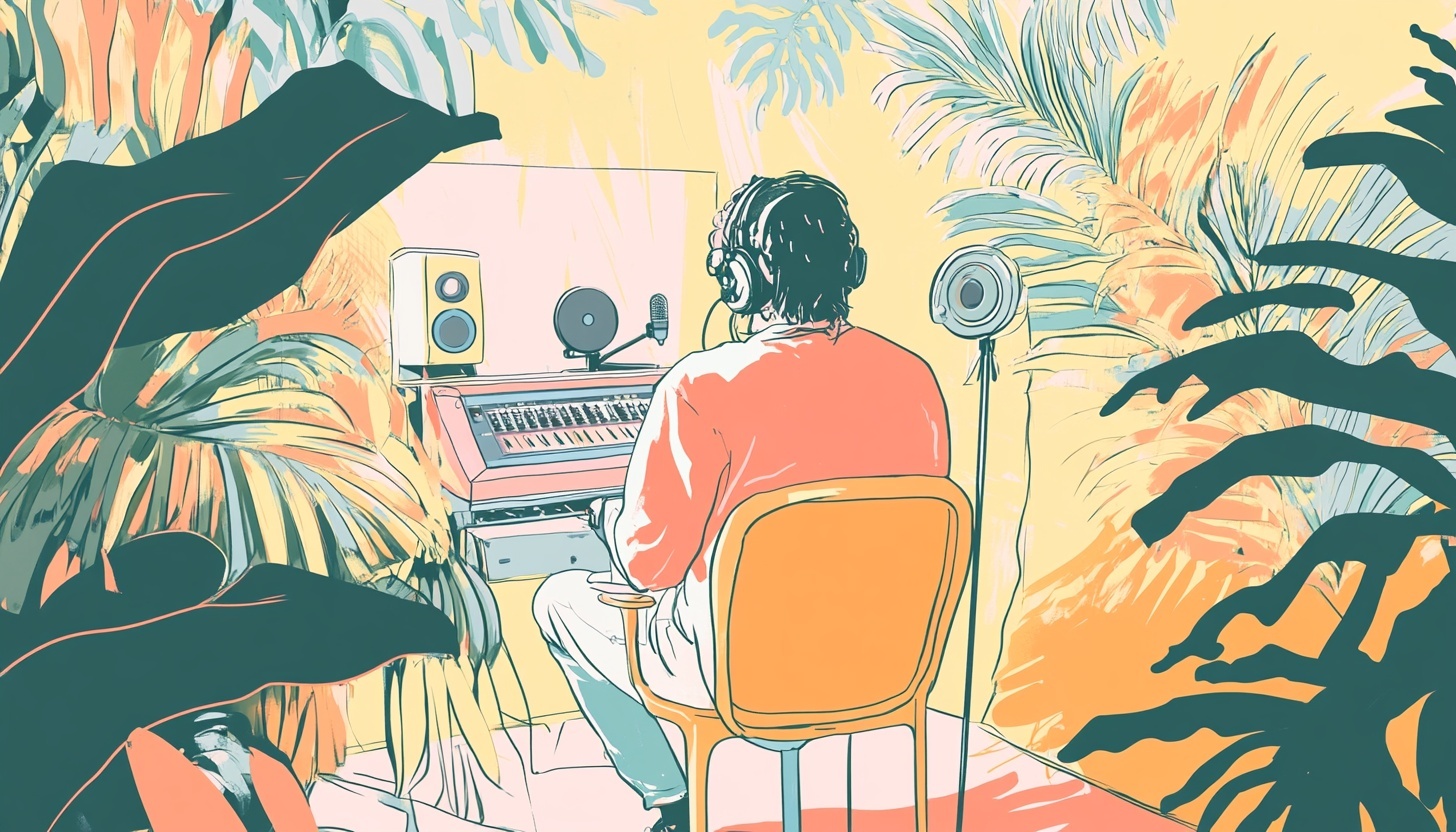
How to Use AI Podcast Show Notes to Grow Your Show
What should take 30 minutes somehow stretches into two hours as you struggle to capture the essence of your conversation, identify key timestamps, and craft something that will actually help people discover your show. Sound familiar? Here's the thing though, search engines can't listen to your audio content. They rely entirely on text to understand what your episodes are about.

Best Discussion Post Generator: Let AI Research for You
Studies show that companies implementing AI solutions have experienced a huge increase in productivity and an improvement in overall satisfaction. That's transformative! And now, these same AI technologies are revolutionizing how we approach discussion posts, transforming what used to be a time-consuming struggle into an efficient, research-backed process.
5 Best Fireflies.ai Alternatives in 2026 (Free and Paid)
Looking for a Fireflies.ai alternative? Here are the 5 best, sorted by the job you need done: free live meeting notes, an individual note-taker, turning recordings into content, or editing the recording.

Best AI Blog Post Generator: Use AI to Create Content Fast
Whether you're a solo blogger trying to scale your content operation or part of a marketing team looking to boost productivity, AI tools are changing the game. Let's dive in and explore how these innovative solutions can transform your content strategy!
Descript Pricing (2026): Every Plan, What's Actually Free, and Is It Worth It?
Descript pricing explained: the free plan's real limits, what Hobbyist, Creator and Business cost monthly vs annually, AI credits, and whether it's worth it for you.