
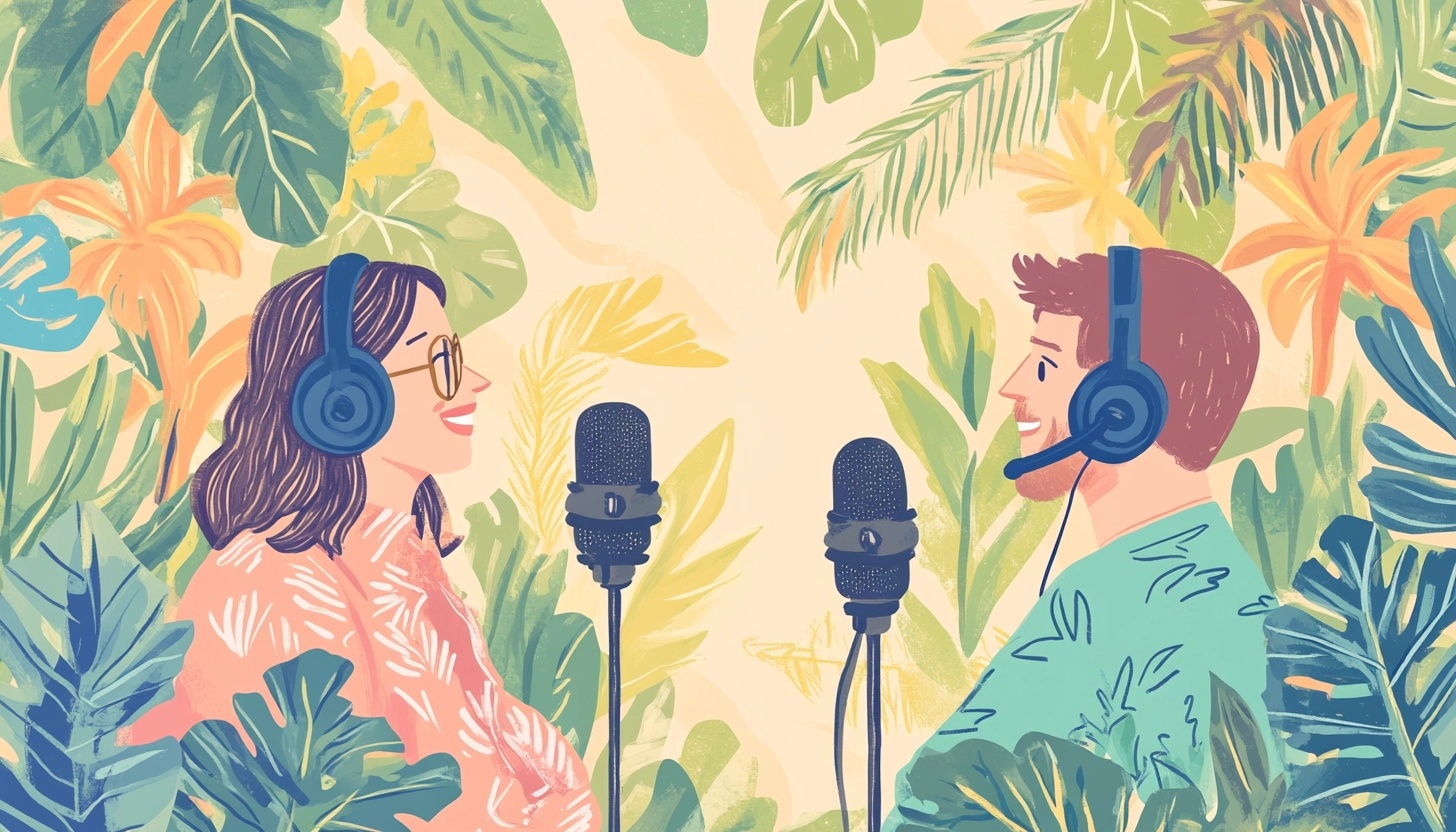
Different Podcast Formats Explained: Find Your Fit
Have you ever wondered why some podcasts keep you coming back for more while others leave you quickly reaching for the skip button? The secret often lies in the format! With over 4 million active podcasts available today and approximately 172 million episodes floating around the internet, finding your perfect podcast style is more crucial than ever. According to recent podcast statistics, around 38% of Americans listen to podcasts regularly—that's a massive audience waiting to connect with content that resonates with them!
We believe that understanding different podcast formats isn't just about following trends—it's about creating content that aligns with your strengths while captivating your target audience. Whether you're a seasoned podcaster looking to shake things up or a newcomer eager to jump into the audio content world, choosing the right format can make all the difference between a podcast that fizzles out after a few episodes and one that builds a dedicated following.
Also see: How to start a podcast.
Why Podcast Format Matters More Than You Think
The format of your podcast isn't just a technical detail—it's the foundation that shapes everything from your workflow to your audience's experience. Think of it as the skeleton supporting your content!
A podcast format provides structure and consistency, which might sound limiting, but is actually liberating for both creators and listeners.
Contrary to what you might expect, podcast listeners crave familiarity. They want to know what they're getting when they hit play on your latest episode. While your content should evolve and stay fresh, following a consistent format helps your audience feel comfortable and builds anticipation for what's coming next.
For podcasters, sticking to a format makes planning infinitely easier. Instead of reinventing the wheel with each episode, we can focus our creative energy on developing compelling content within a proven structure. This consistency not only saves time but also helps establish our podcast's identity in a crowded world of other podcasters trying to grab your listener’s ear.
Let’s explore the most popular podcast formats, shall we?
The Interview Format: Conversations With Purpose
Perhaps the most recognizable podcast format is the interview style. These shows feature a host who engages in conversation with a different guest each episode, typically exploring topics relevant to the podcast's niche.
Think of shows like "The Great Creators with Guy Raz" or "The Joe Rogan Experience" where the magic happens through authentic dialogue with fascinating individuals.
What makes interview podcasts so compelling is their ability to bring fresh perspectives with each episode. Every guest contributes their unique expertise, stories, and insights, keeping the content diverse and engaging.
This format allows us to tap into the collective wisdom of others without needing to be experts in everything ourselves. Plus, there's an added promotional benefit—guests often share their episodes with their own audiences, extending our reach organically.
However, the interview format isn't without challenges for a podcast host. Finding and scheduling guests can become a time-consuming endeavor, especially for newer podcasts without established networks.
There's also the matter of research—conducting a compelling interview requires homework! We need to understand our guests' backgrounds, accomplishments, and areas of expertise to ask meaningful questions that go beyond surface-level conversation.
When it comes to production, interview podcasts generally fall in the 20-60 minute range, though some popular shows frequently exceed this. Technical considerations include ensuring quality audio for both host and guest—which can be particularly challenging for remote interviews.
Despite these hurdles, the reward of facilitating insightful conversations that educate and inspire listeners makes this format enduringly popular.
Related: Learn 20 proven methods to make money podcasting.
Solo Podcasts: Your Voice, Your Platform
Solo podcasts (sometimes called monologue podcasts) put you center stage as the sole voice guiding listeners through each episode. This format showcases one host speaking directly to their audience without guests or co-hosts.
Shows like "Hardcore History" with Dan Carlin or "Strong Songs" by Kirk Hamilton demonstrate how powerful a single passionate voice can be!
The beauty of solo podcasting lies in its simplicity and personal connection. There's an intimacy to having someone speak directly to you that creates a powerful host-listener bond.
This format offers unparalleled scheduling freedom—no coordinating with guests or co-hosts means you can record whenever inspiration strikes!
But make no mistake—solo podcasting demands a certain confidence and charisma. Holding an audience's attention for 30+ minutes without dialogue requires strong storytelling skills and authentic enthusiasm for your topic.
It also places the entire content burden on your shoulders, from research to scripting to delivery.
Production-wise, solo podcasts can be technically simpler, with only one audio track to manage. However, this format often requires more preparation and scripting than conversational shows.
Many successful solo podcasters work from detailed outlines while maintaining enough flexibility to sound natural rather than like they're reading a script.
This format shines brightest when the host brings genuine expertise or compelling perspective to their topic.
Whether you're sharing specialized knowledge, unique experiences, or thought-provoking commentary, solo podcasting gives you complete creative control to express your voice exactly as you envision it.
Conversational Podcasts: The Power of Co-Hosts
There's something undeniably engaging about listening to friends having an interesting conversation, and that's exactly what makes conversational podcasts so popular!
This format features two or more regular hosts discussing topics within their niche, often with the relaxed vibe of friends chatting over coffee. Shows like "Chat 10, Looks 3" by Leigh Sales and Annabel Crabb exemplify how co-hosted chemistry can create podcast magic.
The appeal of conversational podcasts comes from their authentic, often unscripted feel. Listeners enjoy the natural dialogue and banter between hosts and often develop connections with each personality on the show. This format creates a sense of community—listeners feel like they're part of the conversation rather than simply an audience.
Sharing hosting duties means dividing the workload. Each host can leverage their unique strengths, whether that's research, technical production, marketing, or on-air charisma.
Having someone to bounce ideas off of also tends to bring out more creativity and can help maintain energy throughout recording sessions.
However, the success of a conversational podcast hinges on the chemistry between co-hosts. That natural rapport can't be forced, which makes finding the right podcast partner critical. It's also essential to establish clear roles and expectations early on—from content ownership to revenue sharing—to avoid complications down the road.
When producing conversational podcasts, maintaining balanced audio levels between different hosts can be technically challenging, especially if recording remotely. Episode lengths typically range from 30-90 minutes, with the sweet spot often around 45-60 minutes—enough time for meaningful discussion without rambling.
Also see: Best Practices for Growing Your Podcast Audience
Roundtable Discussions: Multiple Voices, One Conversation
Taking the conversational format a step further, roundtable or panel podcasts bring together multiple participants to explore topics from different angles. These shows typically feature a primary host who moderates discussion among several regular or rotating panel members.
"The BeanCast Marketing Podcast" demonstrates this format well, with host Bob Knorpp guiding marketing experts through industry discussions.
The distinctive value of roundtable podcasts lies in their diversity of perspectives. By featuring multiple voices, these shows can provide listeners with a comprehensive view of complex topics. This format works particularly well for analyzing news, debating ideas, or exploring multifaceted issues where different viewpoints enhance understanding.
For creators, roundtable podcasts offer excellent networking opportunities. Regularly bringing together experts in your field positions you as a connector within your industry or niche. It also distributes the content creation burden, as each participant contributes their expertise to the overall conversation.
The challenges, however, are significant. Coordinating schedules becomes exponentially more difficult with each additional participant. Recording logistics grow more complex, requiring equipment that can handle multiple simultaneous inputs or sophisticated remote recording setups.
And moderating a multi-person discussion demands strong facilitation skills to ensure balanced participation and coherent conversation flow.
Post-production for roundtable podcasts can be particularly time-intensive, with multiple audio tracks to balance and edit. Episodes typically run longer—often 60-90 minutes—to accommodate multiple speakers while still exploring topics with adequate depth.
Narrative Podcasts: The Art of Audio Storytelling
Some of the most popular podcasts are those that tell compelling stories, whether fictional or based on real events. Narrative podcasts carefully craft audio experiences that immerse listeners in worlds built through sound.
This format has incredible diversity, from non-fiction shows like "99% Invisible" to fictional audio dramas like "The Bright Sessions."
What makes narrative podcasts unique is their highly produced nature. Unlike more conversational formats, these shows typically involve scripting, careful audio design, music, sound effects, and often multiple voice actors or interview segments woven into a cohesive story. The result is an immersive listening experience that captivates audiences in ways other formats cannot.
Narrative podcasts represent the highest form of audio artistry. They allow for creative expression similar to film or literature but with the intimacy and accessibility unique to audio.
Non-fiction narrative shows can transform complicated or dry topics into engaging stories that capture interest and improve comprehension.
However, this format demands significant investment. Production quality expectations are high, requiring substantial time for research, writing, recording, and sophisticated editing. Fiction podcasts may need voice actors, while investigative shows often require extensive fieldwork and interviews.
These production demands mean episodes typically take much longer to create, with release schedules often being weekly, bi-weekly, or even seasonal rather than daily.
Despite these challenges, narrative podcasts often build the most dedicated listener bases. The combination of compelling storytelling and high production value creates content that listeners actively seek out and enthusiastically share.
Episodes typically range from 20-45 minutes, though some ambitious productions like "Hardcore History" regularly exceed several hours per episode.
Related:A Comprehensive Guide to Podcast Content Repurposing
Educational and Tutorial Podcasts: Learning Through Listening
Educational podcasts focus on teaching listeners about specific topics or skills. These shows transform learning experiences into engaging audio content, making knowledge accessible during commutes, workouts, or other activities when visual learning isn't possible.
Shows like "Philosophize This!" demonstrate how complex subjects can be made approachable through audio.
The strength of educational podcasts lies in their focused value proposition. Listeners tune in with clear learning intentions and appreciate content that delivers practical knowledge or intellectual enrichment. These shows can establish hosts as authorities in their fields, building credibility that extends beyond the podcast itself.
Educational podcasts allow us to share expertise and help others while building our reputation. The format works well for specialists looking to expand their audience or businesses aiming to demonstrate thought leadership.
Structuring content as lessons or tutorials provides natural organization that makes planning easier.
The challenge lies in conveying information clearly without visual aids. Complex topics must be broken down into understandable segments, often requiring concrete examples and analogies. Successful educational podcasters develop techniques to help listeners visualize concepts and maintain engagement without visual reinforcement.
Production-wise, these podcasts benefit from clear structure and moderate episode lengths—typically 20-45 minutes, enough time to explore a topic thoroughly without overwhelming listeners. Many educational podcasts supplement audio content with show notes, transcripts, or companion materials that enhance the learning experience.
Hybrid Formats: Creating Your Perfect Blend
While we've covered several distinct podcast formats, many of the most successful shows actually blend elements from multiple styles. Hybrid formats allow creators to capitalize on the strengths of different approaches while mitigating their weaknesses.
For example, a primarily interview-based show might include solo episodes where the host explores topics independently, or a co-hosted show might occasionally welcome guests for panel discussions.
Joanna Penn's "The Creative Penn Podcast" exemplifies this approach by combining a solo podcast format with interviews. Each episode begins with Penn's monologue covering publishing industry news and updates on her business before transitioning to an expert interview.
Similarly, Jay Acunzo's "Unthinkable" alternates between three formats: monologues, storytelling episodes, and interviews.
For us as content creators, hybrid formats offer tremendous flexibility. We can adapt our approach based on topic requirements, guest availability, or simply to keep our content fresh. This variability can help prevent creative burnout while consistently engaging listeners in new ways.
The key to successful format mixing is maintaining enough consistency that listeners aren't confused. Your audience should understand the overall structure of your show while appreciating the variety you introduce.
Many podcasters achieve this by establishing segment patterns, using distinctive music to signal format shifts, or grouping similar episode types into seasons.
Also see: The Ultimate Guide to Podcast Show Notes
Finding Your Perfect Podcast Format
So, how do we choose the right format for our podcast? It starts with honest self-assessment. Consider your personal strengths—are you a natural conversationalist who thrives in dialogue, or do you prefer carefully crafting messages independently? Think about your available resources, including time, equipment, and your network of potential co-hosts or guests.
Next, analyze your content and audience goals. Certain topics naturally lend themselves to specific formats. Complex educational content might benefit from a solo approach that allows for careful explanation, while opinion-based shows often shine with multiple perspectives. Consider what your target audience prefers—are they looking for in-depth expertise, entertaining conversations, or compelling stories?
Remember that nothing is permanent in podcasting. Many successful shows evolve their format over time as they discover what works best for their specific content and audience. You might start with a solo show and gradually incorporate interviews, or begin with a co-hosted format before experimenting with panel discussions.
Your Podcast Journey Begins Now!
Finding the right podcast format isn't about following trends or copying what's popular—it's about creating a structure that showcases your unique voice and content in the most effective way possible. The perfect format feels natural to produce while keeping listeners engaged and coming back for more.
We encourage you to experiment within established structures. Your podcast doesn't need to reinvent the wheel, but it should reflect your authentic approach to your topic. Whether you choose interviews, solo commentary, co-hosted conversations, or an innovative hybrid, focus on consistency and quality over novelty.
Remember that the most important elements of any successful podcast are passion and value. If you genuinely care about your topic and consistently provide content worth listening to, your audience will find you—regardless of format. So choose a structure that energizes you, plan your content thoughtfully, and start recording! Your perfect podcast format is waiting to be found, and your future listeners are eager to hear what you have to say.
And whatever podcast format you choose, we hope you will consider using Castmagic to assist you with your podcast workflow. Castmagic’s AI backed tools help you create transcripts of your podcast, and make quick work of episode titles and descriptions, promotional assets, and more! Click here for a free trial to see what we can do for your podcast!
More blogs like this
How to Record Google Meet: Save and Share Your Calls
In this guide, we'll walk you through everything you need to know about recording Google Meet calls—from understanding requirements and permissions to mastering the recording process on different devices and maximizing the value of your recordings!

How to Use AI Podcast Show Notes to Grow Your Show
What should take 30 minutes somehow stretches into two hours as you struggle to capture the essence of your conversation, identify key timestamps, and craft something that will actually help people discover your show. Sound familiar? Here's the thing though, search engines can't listen to your audio content. They rely entirely on text to understand what your episodes are about.

Best Marketing Tools for Small Businesses in 2026
We've seen countless small businesses transform their marketing efforts simply by choosing smart, efficient solutions that work for their specific needs. The truth is, with the best marketing tools for small business success, you can automate repetitive tasks, reach more customers, and finally get that marketing strategy off your never-ending to-do list.

Podcast Background Ideas: Quick Tips for Stunning Videos
You might already know this, but a lot of podcast listeners prefer to actively watch the video while tuning into their shows on YouTube these days. And, the first thing they see isn't your carefully crafted message or your engaging personality. It's your background.
6 Best Otter.ai Alternatives in 2026 (Free and Paid)
Looking for an Otter.ai alternative? Here are the 6 best, sorted by the job you actually need done: live meeting notes, transcribing recordings, or turning a recording into finished content.

Best Instagram Caption Generator: Paid and Free AI Tools
AI caption generators can save you a boat load of time! With Instagram's algorithm shift deprioritizing hashtags in favor of keyword-rich captions, these tools for good Instagram captions have become essential for content creators, brands, and social media managers seeking discoverability. This guide covers the top free and paid Instagram caption generators and how to use them effectively to create captions that drive real results.
How to Clip a YouTube Video: Easy Guide for Snippets
Luckily, sometimes you don't need the whole ocean. You just need a single drop, a perfect moment, a snippet that captures exactly what you want to share. Whether it's a hilarious reaction from your favorite creator's livestream, an insightful tip buried in a hour-long tutorial, or a game-changing moment you want to share across your social media channels, learning how to clip a YouTube video is an essential skill for anyone creating or sharing content.

How to Improve Your YouTube Intro with Introduction Examples
Whether you're creating educational content, vlogs, product reviews, or entertainment videos, the introduction ideas for YouTube we'll explore in this article can transform casual viewers into loyal subscribers.Below, we'll dive deep into proven intro strategies that top creators use to capture attention and maintain viewer engagement. From psychological principles that drive retention to practical templates you can implement immediately, we're covering everything you need to elevate your YouTube intro game!

10 Must Have YouTube Tools to Grow Your Channel
We’re betting if you landed on this page, you’re looking to take your YouTube channel to the next level. If we're right about this, then buckle up, because we’re about to share the must have YouTube Tools to grow your channel.